Profit is not natural (and revenue alone won't save you)
Profit is not natural (and revenue alone won't save you)
Alex Hormozi has a quote that's been stuck in my head:
"Profit is not natural. It only happens when expenses are managed aggressively. Left alone, costs always rise."
He reinforces it in different ways. Revenue can grow on its own—profit never does. If you're not watching expenses every month, you will lose profit. Guaranteed. And the one that hits hardest: costs expand to match ambition.
I've been guilty of chasing revenue and assuming profit would follow. Grow the book, add more customers, write more policies—and the money will work itself out. But it doesn't work that way.
So in 2026, I started doing something I should've done sooner: reviewing my P&L line by line, every month. Huge credit to my CPA/CFO Kevin for itemizing our tech expenses by vendor. That single change gave me visibility I never had before. When you can actually see who you're paying and why, it forces better decisions.
This year I have one clear goal: increase profits by decreasing expenses. Be intentional about both. Not emotionally. Systematically.
One of the first things I did was go through every line item and ask myself a few uncomfortable questions. Can we do this in-house? Are we already paying for a tool that does this? Did we buy this because it was prettier or easier, not because it was necessary? And the hardest one: is this solving a real problem, or just masking one?
The Microsoft ecosystem is a perfect example. We already pay for a mountain of tools that are included with our subscription, but because they're not always the flashiest or packed with every feature, I'd default to paid alternatives. A little here, a little there. It adds up fast. I've been guilty of that. Many times.
This year I'm committed to running leaner and more efficiently, even when it's slightly uncomfortable. Sometimes that means revisiting tools we already own. Sometimes it means accepting "good enough" while we get better at using what we have.
And to be clear—this isn't about squeezing every dollar out of the business for the sake of profit. Sometimes lower profit is the cost of getting better. Training the team. Learning new skills. Becoming more productive. That doesn't happen overnight.
But what does happen naturally, almost guaranteed, is waste. Every business accumulates it. Things drift. Subscriptions stack. Nobody cancels the tool from two years ago that one person used once.
Which means someone has to be responsible for watching expenses consistently. Not once a year. Not when cash feels tight. All the time.
Because at the end of the day, we're not in business just to stay busy. We're in business to create value and make a profit. And profit doesn't happen by accident.
It happens on purpose.
On a different note...
Last week I spent a few days at Margaritaville in Hollywood, Florida for Brainshare and IndieTech.
Brainshare had over 100 agents in a room doing what I think our industry needs more of, sharing what's actually working, what needs to be improved, and being genuinely vulnerable about the challenges we're facing. No posturing. No "everything's great" energy. Just real conversations. We talked AI, mergers and acquisitions, technology, and more. Everyone was open to sharing knowledge, and that's rare.
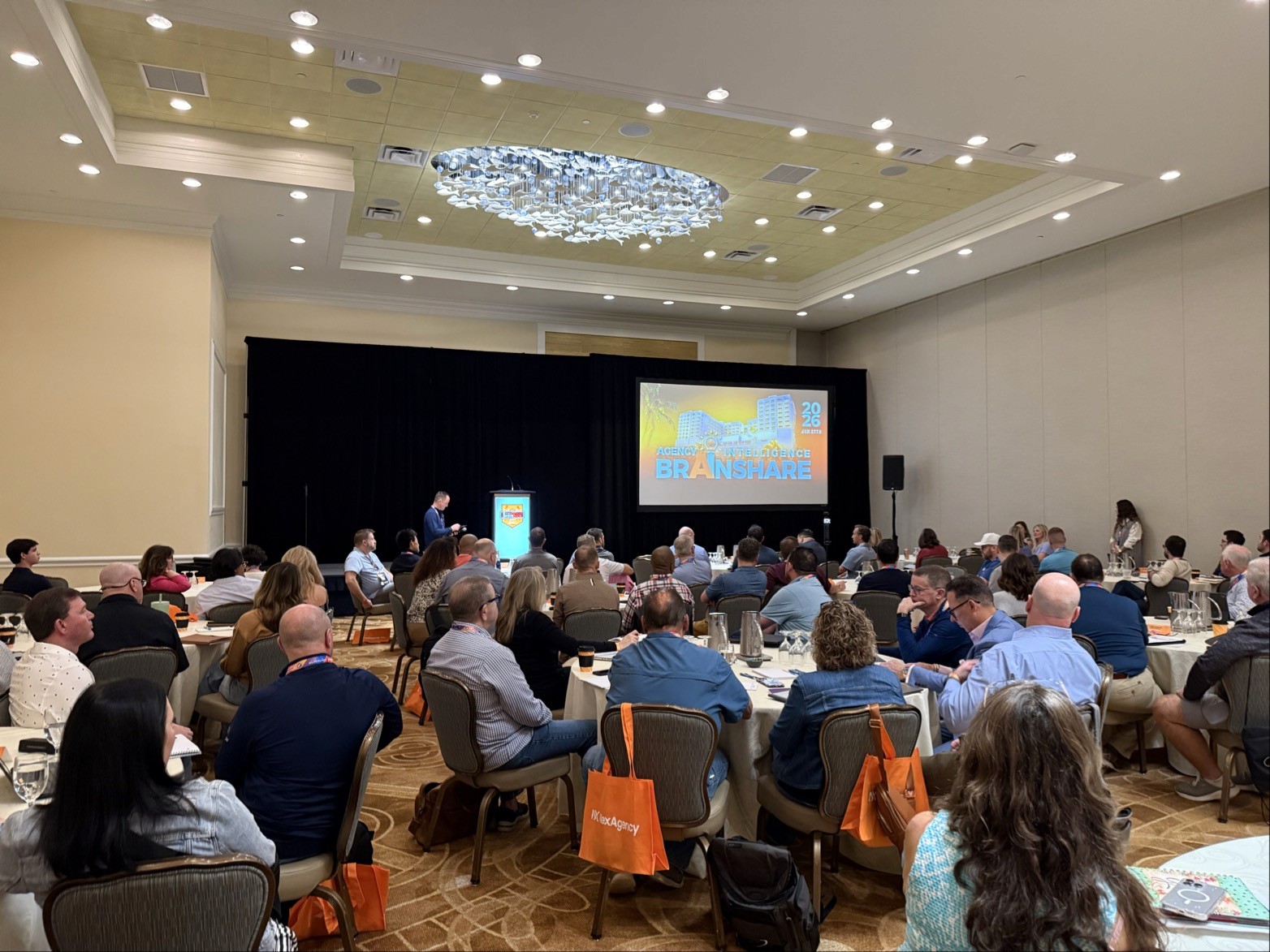
After Brainshare came IndieTech, which had almost 400 attendees. This is a unique conference hosted by Jason Cass and Mitch Gibson, focused entirely on technology for independent agents. The format worked well, main speakers in the morning, then shorter slots in the afternoon filled with different speakers and demos. It moves fast and you walk away with a lot of ideas.
I enjoyed both events and I'm already looking forward to next year. If you've never been to either, put them on your radar.
—Mike